The Loudest Thing in the Room Is What You're Not Wearing
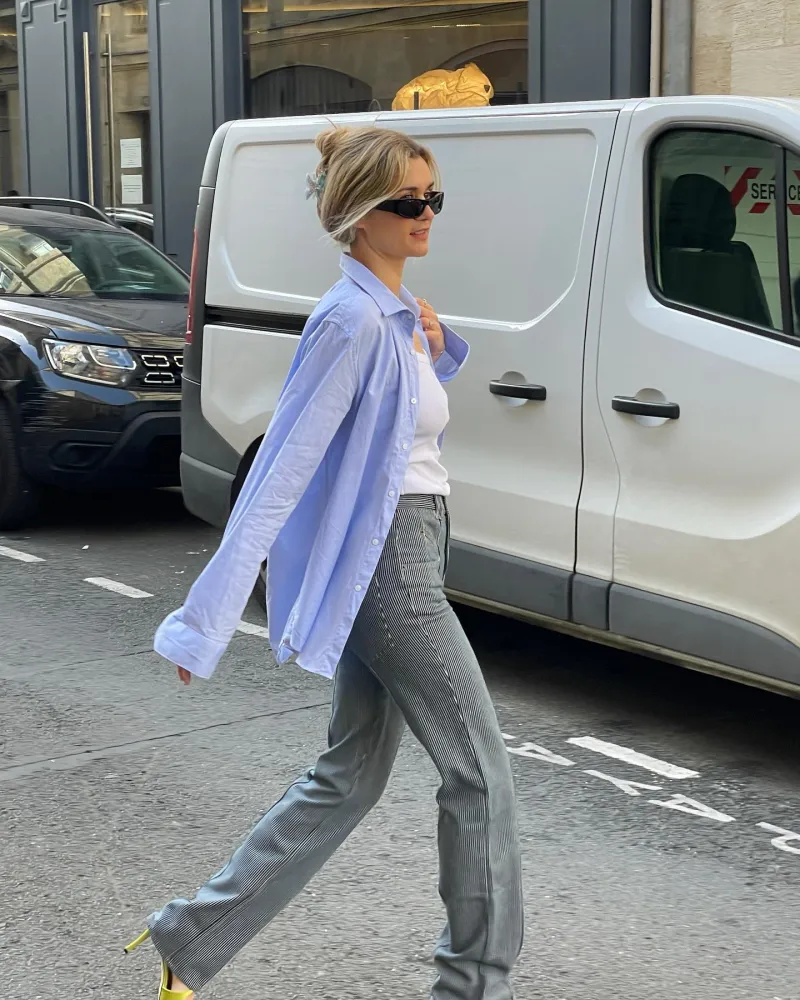
Photo: minimalist fashion neutral tones clean aesthetic woman walking city street, via cdn.cliqueinc.com
Not long ago, fashion spoke in a pretty straightforward language. You wore the logo. The logo said who you were — or at least, who you wanted people to think you were. A monogram on a bag, a swoosh on a sneaker, a horse on a polo shirt. Status, legible at thirty feet.
That language is still out there. But a growing number of people have stopped speaking it.
Call it quiet luxury. Call it stealth wealth. Call it the anti-hype movement, or just call it getting tired of dressing for other people's approval. Whatever name you put on it, something is shifting in the way Americans — particularly younger Americans — think about what they wear and why they wear it.
The Rise of the Unmarked
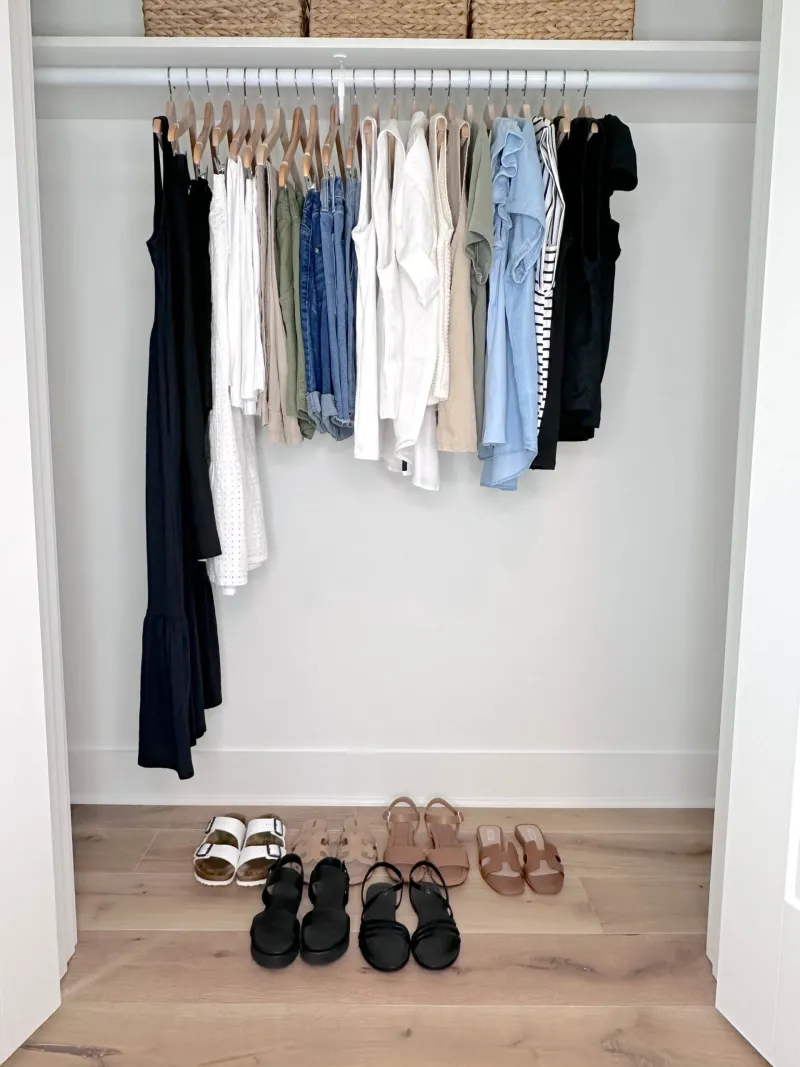
If you've spent any time on social media in the past couple of years, you've probably noticed a certain aesthetic gaining ground. Perfectly fitted trousers in oatmeal or camel. Cashmere crewnecks with zero branding. Clean white sneakers that could belong to a gallery curator or a software engineer or a retired professor. No flash, no logos, no obvious price tags — just clothes that fit well and look considered.
This is the visual language of quiet luxury, and it's been bubbling up from niche fashion circles into mainstream American style consciousness for a while now. Shows like Succession put it on television — the Roys didn't wear labels, they wore quality, and the distinction was the whole point. When Gwyneth Paltrow showed up to her ski trial in head-to-toe neutral tones, the internet lost its mind not because of what she was wearing, but because of how confidently she wore nothing remarkable.
The irony, of course, is that truly understated dressing often costs more than the logo-heavy alternative. But that's sort of the point — you're no longer paying for the signal. You're paying for the thing itself.
Gen Z and Millennials Are Done Performing
It would be too easy to frame this shift as purely economic — young people rejecting expensive logos because they can't afford them. That's a part of it, sure. But it's not the whole story.
There's a values dimension here that's harder to quantify. Gen Z in particular has grown up inside a media ecosystem that made personal authenticity a core virtue. They're suspicious of brands that shout. They're skeptical of status symbols that feel borrowed rather than earned. And they've watched fast fashion's environmental and human toll get documented in excruciating detail — which makes the idea of buying twelve $8 tops every season feel less like a deal and more like a moral compromise.
Millennials, meanwhile, are hitting their 30s and early 40s with a different relationship to consumption than they expected. The maximalism of the early 2000s — the velour tracksuits, the trucker hats, the logomania — feels like a different lifetime. What many of them are reaching for now is something simpler, more durable, more theirs.
Both groups are asking a version of the same question: does this thing I'm buying actually reflect who I am, or is it just a shortcut to looking like I belong somewhere?
Fast Fashion's Credibility Problem
Fast fashion built its empire on one promise: trend access for everyone, right now, at rock-bottom prices. For a while, that promise held. Then the cracks started showing.
The quality was never great, but it got worse. The trend cycles accelerated until they became almost meaningless — micro-trends born and buried in the same news cycle. The environmental cost became impossible to ignore. And something else happened too: fast fashion got boring. When everyone has the same viral dress from the same online retailer, the dress stops meaning anything.
Authenticity — which is the thing fashion has always secretly been about — can't survive infinite replication at $12 a unit. And a lot of consumers, particularly those who've been burned by the disposability of it all, are done pretending otherwise.
This is the opening that intentional, quality-focused brands have walked through. Not by screaming louder, but by standing still and letting the work speak.
What 'Intentional Consumption' Actually Looks Like
The phrase gets thrown around a lot, but what does it mean in practice?
It means buying less and expecting more from what you buy. It means choosing a well-made essential over a trendy statement piece that'll feel dated in six months. It means developing a relationship with your wardrobe rather than treating it like a revolving door.
It also means getting honest about why you're buying something. Are you filling a genuine gap in your wardrobe, or filling an emotional one? Are you drawn to this piece because it works for your life, or because an algorithm decided you should want it?
These aren't revolutionary questions. But they're the kind of questions more people are starting to ask before they check out.
Stealth Wealth vs. Quiet Confidence — There's a Difference
It's worth drawing a distinction here, because the conversation around quiet luxury can slide into something a little uncomfortable if you're not careful.
Stealth wealth — dressing expensively but without visible signals — can be its own kind of status game. The $800 unbranded cashmere sweater is still an $800 sweater. The quietness of it doesn't necessarily make it more democratic or more virtuous.
But quiet confidence — dressing in a way that reflects your actual aesthetic values, regardless of price point — is something different and something more accessible. It's not about what your clothes cost. It's about whether you've made deliberate choices, whether you feel like yourself in what you're wearing, whether your wardrobe is an expression of you rather than a performance for someone else.
That version of the movement is genuinely democratic. You don't need to spend more to participate. You need to think more — and buy less.
OSO and the Philosophy Behind the Aesthetic
At OSO, we've always believed that the most powerful thing a piece of clothing can do is get out of the way. Not disappear — but stop competing for attention and start serving the person wearing it.
Wear Less. Mean More. isn't about austerity or deprivation. It's about the idea that a smaller, more intentional wardrobe — built on pieces that actually fit your life — says more about who you are than a closet packed with impulse buys and forgotten trends.
The cultural moment we're in right now is catching up to that idea. The logo is losing its stranglehold. The algorithm-driven trend cycle is starting to feel exhausting rather than exciting. And people are increasingly interested in dressing in a way that feels genuinely personal — not like a costume assembled from whatever was going viral last Tuesday.
The Quiet Part Is the Point
Here's the thing about understated style: it only works if you mean it. You can't fake deliberateness. A carefully chosen, well-fitting piece in a neutral tone communicates something specific — that you know what you want, that you don't need external validation to feel good in your clothes, that you're dressing for yourself.
That's not a fashion trend. That's a posture. And it's one that doesn't go out of style.
The loudest thing you can wear right now might just be nothing in particular — and everything on purpose.